
 Japan - A new experience at every turn
Intro
Japan is by far my favorite place I've traveled to, and I doubt anywhere else will top it. It offers an incredible blend of tradition, technology, culture, and unforgettable experiences. Visiting Japan feels like stepping into a dream—one that many others have clearly shared, as seen in the country's recent tourism boom.
I feel lucky to have visited Japan before COVID and the surge in tourism. Back then, it had a unique calm—even in crowded areas—and a warmth in its hospitality that I feel has waned a bit. The increase in tourists, some of them a bit unruly, has changed the atmosphere slightly. Still, Japan remains a gem for anyone seeking a well-organized country rich in culture and charm.
If you want to experience the calmness I mentioned, I highly recommend visiting some of Japan's smaller towns and cities. Tokyo, Osaka, and Kyoto are incredible and definitely worth seeing, but there's so much more beyond the usual tourist spots. Japan shines brightest when you stray off the beaten path—it's in those quiet corners that the country truly reveals its magic.
Crime is incredibly low in Japan. You can leave your belongings unattended for an hour and come back to find them untouched. If you forget something, there's a good chance someone—maybe even a store clerk—will chase you down to return it. While good deeds happen everywhere, in Japan, it feels like helping others is simply part of the culture.
I could go on and on about the ways Japan has captured my heart, but I'll leave the rest for the stories, food, and places I'll share here.
Quick Bits
Rating

Costs


Recommended Stay: 3-8 Weeks
The Good
- Crime is extremely rare.
- Amazing food that is cheap, healthy & delicious.
- There's always something to do & explore.
- Public transport is extremely efficient. You will rarely need a taxi.
- Convenience stores are everywhere and have all your essentials.
- People are friendly & helpful, sometimes so helpful you feel bad a person went out of their way for you.
- It's an Okatu's dream.
- Almost everywhere is extremely clean.
- Bidet toilets are everywhere and they are amazing.
The Bad
- Some restaurants may forbid foreigners from entry.
- For women, sexual harrassment may be an issue in crowded places.
- Finding rubbish bins in public can be a big challenge.
- There are a lot of cultural norms and etiquette that you may not be aware of but should be followed.
- Tourist spots can be extremely overcrowded during the day.
- Bookings are essential for any major attraction you want to go to.
What to Pack & Prepare
- Pack clothes to fit the season. I've only visited Japan in Spring where it was actually quite cold at times.
- Modest clothing for temple visits and sacred sites.
- A coin purse for cash. Cash is still commonly used in stores and restaurants.
- Once you land, you will need to get a Suica or Pasmo card to travel on all public transport.
- Withdraw some Japanese Yen or bring an international debit card.
- Download and activate an eSIM for mobile data.
- Pack good walking/ running shoes as you will be doing a lot of walking in Japan.
Highlights
My Trips
- 27/03/2019 to 12/04/2019 | 3 Weeks | Tokyo (Akihabara, Shibuya, Shinjuku, Harajuku, Minato City), Osaka, Kyoto
- 01/03/2024 to 28/03/2024 | 4 Weeks | Tokyo (Akihabara, Asakusa, Chiyoda City, Shibuya, Shinjuku, Harajuku, Daiba, Ginza, Suidōbashi, Roppongi, Kichijōji, Ueno), Osaka, Kyoto, Nara, Nagoya, Aichi, Hakone
Etiquette & Local Customs
Japan is a very polite country with a large list of rules and protocols that you should try to follow. Tourists already have a bad reputation in parts of Japan, so please do everyone a favour and help spread a positive message about tourists by trying to follow the below etiquette. However, don't stress if you forget some of these rules, as long as you are trying, Japanese people are willing to be leniant on tourists.
As Japan has a many rules, I'll only be listing the main ones I think you should be mindful of. And I'll split it into two lists. Rules that MUST be followed, and rules that a more nice to do.
Important Rules
- Do not walk while eating/ drinking.
- Do not throw rubbish in bins next to vending machines. Those bins are usually only for vending machine waste.
- Do not jaywalk.
- Footwear is often not allowed in sacred areas and you may need to take your shoes off before entering your hostel/ hotel.
- You should not tip staff. Even for exceptional service.
- Bins are rare in public, you need to take trash with you.
- Don't talk loudly on public transport.
- If you have tattoos, you may need to cover them up when going to certain places, especially onsens.
- Use a mask if you are sick.
- Stand to one side on escalators.
- Do not barter or haggle with shop vendors.
- Don't eat inside convenience stores (Konbini) unless they have an eating area.
Tipping is seen as offensive as it gives the impression that you believe the person is not paid properly for their job.
You will often need to carry trash with you throughout the day, the only places you can offload your trash is at convenience stores or your hotel.
The correct side differs through Japan. For instance, standing on the right is common is Osaka, while standing on the left is common in Tokyo.
Extra Polietness
- Do not leave your chopsticks in rice.
- Don't pass food chopstick-to-chopstick.
- You CAN make sounds while eating, especially slurping sounds while having ramen.
- You can say "itadakimasu" (ee-tah-dah-kee-mahss) before you being eating a meal as a respectful gesture.
- To "Cheers" face a person, clink your glasses and say "Kanpai!"
- Bow before entering or leaving a shrine. Specifically at Tori gates.
- Don't take large suitcases up escalators. This is for safety in case it falls.
- A small bow when meeting someone and when you leave is respectful.
To Japanese people, chopsticks in rice is a symbol only used at funerals, so it is seen as offensive to do that at any other time.
This is also used as a funeral ritual and is offensive to do outside of funerals.
To the Japanese, making eating sounds while you eat is seen as a person enjoying their meal. Which chefs take as a compliment.
Itadakimasu means "to humbly receive" and is a show of respect & gratitude for the food you're about to eat.
Accomodation
Home Hostel Osaka
Rating

Location - 2-1-11 Ebisuhigashi, Naniwa-Ku, Osaka, Japan
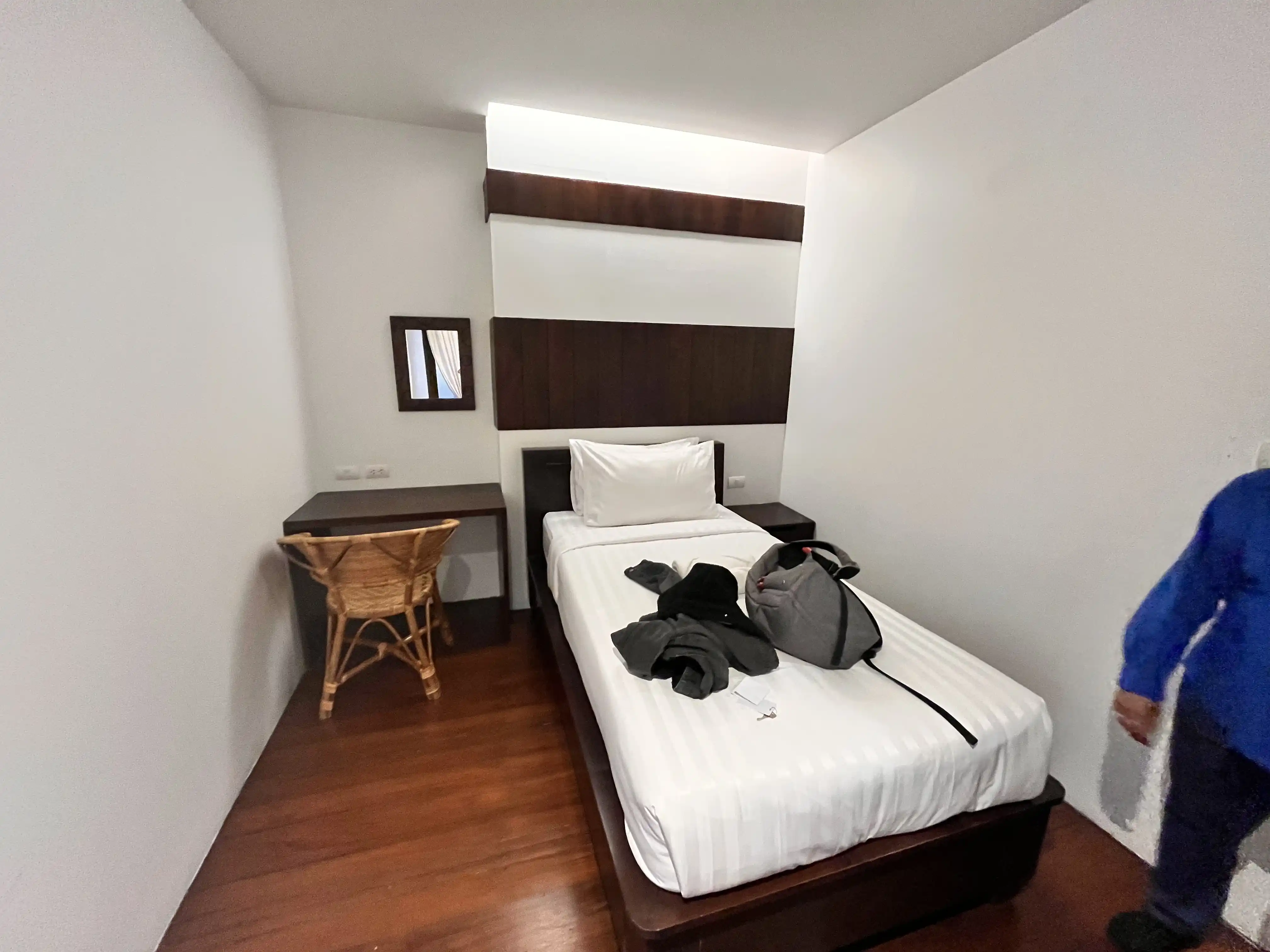
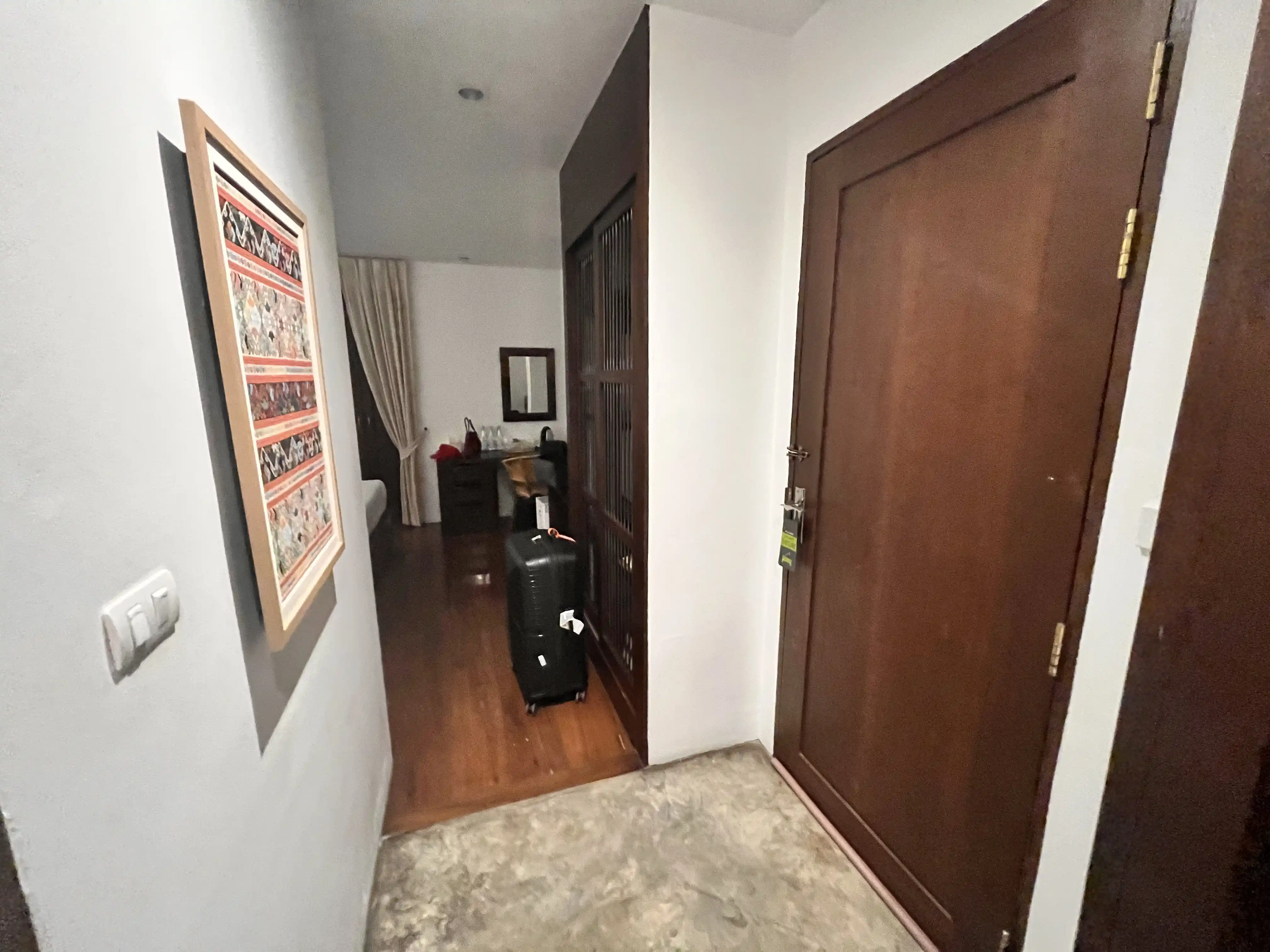
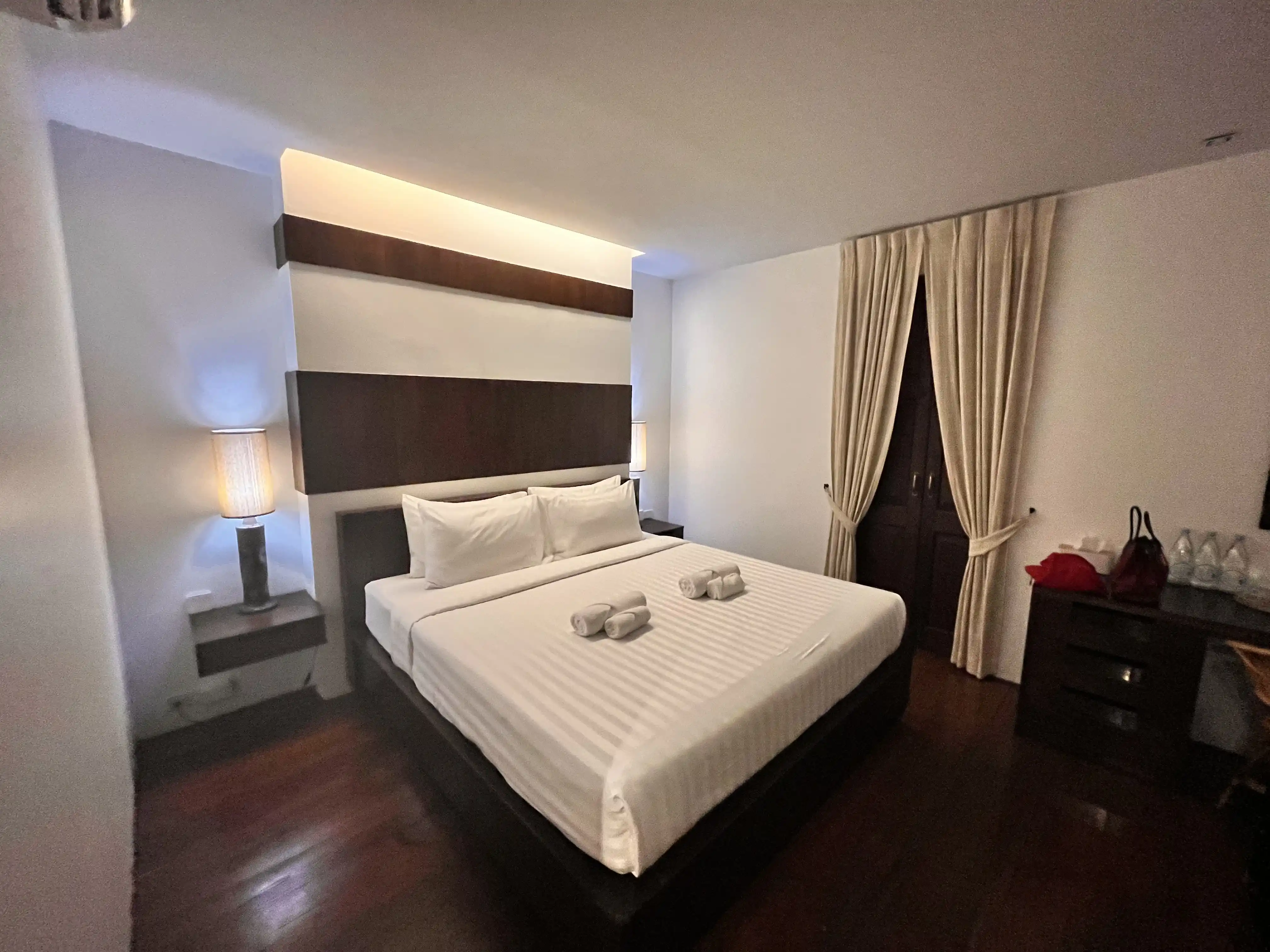
Home Hostel Osaka where I stayed for my 1st trip to Osaka. It was a lovely well organized hostel that featured neat rooms and a commons area that hosted fun events for guests to get involved with. Now, you may have realised I said "was", well sadly, this hostel is closed down. I assume Covid hit their business badly. It's really unfortunate because this was a great hostel that I would have loved to stay at again for my 2nd trip to Japan and more trips in the future.
Home Hostel was located in the heart of Ebisuhigashi, a quiet but busy area that I spent most of my time in on my 1st trip In Osaka. It was the perfect location surrounded by restaurants, bars, and the iconic Tsutenkaku tower.
Grids Hostel Akihabara
Rating
Location - 2-8-16 Higashikanda, Chiyoda, Tokyo, Japan
Grids Akihabara seems to be another hostel that was affected by Covid and closed their doors in 2020. However, it will always have a fond place in my heart as it was the first place I stayed at for my trip to Japan in 2019.
Grids had a cozy vibe with a small cafe on the ground floor. It was located on the outskirts of Akihabara which was good to escape the busy streets and craziness that Akihabara has to offer.
While I can't say if it's run by the same management, there does seem to be a new Grids hostel located in Ueno. However I haven't visited it so I cannot speak on its quality. It does look to be a nice hostel from the pictures on their website. https://grids-hostel.com/hostels/ueno/en/
Capsule Value Kanda
Rating
Location - 1-4-5 Kaji-Cho, Tokyo, Japan
Located in the Chiyoda district of Tokyo, the Capsule Value Kanda is a decent capsule hotel I visited in my 2019 trip. It appears to still be around and has even had facelift from more recent pictures online. Some of my points about the hotel might be outdated if they have had major renovations.
When I visited, the hostel was a male only capsule hotel which may or may not be a benifit to you on your travels. Mixed-dorm capsule hotels can be harder to find in Japan. The hotel itself was decent, and the capsules were actually fairly spaceous even though I had fears it would be cramped. You may still feel cramped if you are a larger/ taller person, but for me, it was great. The capsule includes a light, a powerpoint and even a small old-school TV for you to watch shows on.
Of course, a capsule hotel does have its challenges. One major issue is luggage space. You do get your own tiny locker to fit your items into. If you have a sizeable suitcase, you'll have some issues. You can keep bigger suitcases on the ground floor as they have a room for it, but you wouldn't want to keep valuables or items you need to take out often in that suitcase. The other challenge of a capsule hotel is of course sharing the space with many people. It can be a mixed bag of who you get, and more often than not, you'll have a loud snorer somewhere.
I only stayed and Capsule Value Kanda for one night, it was more just to experience what a capsule hotel was like. And capsule hotels are easily one of the cheapest ways to sleep in Japan with a capsule being a fraction of the price of a normal hotel room. For budget or solo travellers, this is a great option if you're aware of its limitations and don't mind being in a dorm of 20+ people.
K's House Kyoto
Rating
Location - Shimogyo-ku Dotemachi-dori Shichijo-agaru Naya-cho 418, Kyoto , Japan
Website - https://kshouse.jp/kyoto-e/index.html
During my 2019 trip to Kyoto, I stayed at K's House Kyoto. It's been over five years now, and I didn't take many photos, so my memories of the hostel are a bit fuzzy.
What I do remember clearly is that we stayed in a traditional Japanese-style tatami room with futon bedding. It was my first time sleeping on a futon, and while the details are hazy, I recall it being fairly comfortable. The room was just big enough for the four people, which matched the size of my travel group.
Though a bit tight, it was perfect for a good night's sleep — most of my time was spent out exploring the beautiful city of Kyoto anyway.
Transport
Suica & Pasmo
Suica and Pasmo are rechargeable IC cards that make traveling around Japan super easy—whether by bus, train, or more. While there are other options, these two are the most common. They're simple to top up, with recharge points at train stations and airports.
These cards aren't just for transport—you can also use them at shops, arcades, vending machines, and more. Think of them like a prepaid debit card for everyday purchases in Japan. They're incredibly convenient!
If you plan to visit Japan again, hang on to your card. As long as you use it within 10 years, it stays active. It's a fun excuse to plan a return trip! And if it does expire, no worries—you can visit a JR station to transfer the balance to a new card.
Note: All of this applies to standard Suica and Pasmo cards. Tourist versions (Welcome Suica & Pasmo Passport) expire after 28 days and aren't refundable, so any leftover balance will be lost after that period.
Trains
Trains in Japan are incredibly efficient and reliable. You'll leave with the cheerful station jingles stuck in your head—and perhaps a slight anxiety about navigating the sprawling platforms and train routes.
In Tokyo especially, trains arrive every 5-10 minutes, so you rarely need to worry about missing one. They're impressively clean and quiet, with helpful onboard screens displaying station info. Many also have heating to keep you warm during the colder months.
For women, some trains offer "women-only" carriages due to the unfortunate reality of sexual harassment. In my experience, these are mostly respected during off-peak hours. During rush hour, however, trains get so packed that every carriage is needed—you'll feel like a sardine in a can. Sometimes, you'll have to squeeze in because the next train will likely be just as crowded.
Many Japanese train stations are massive and maze-like, with places like Shibuya, Shinjuku, and Tokyo Station featuring over 20 platforms, plus escalators, elevators, and stairs connecting multiple levels. It's easy to get lost, but don't worry—station staff are friendly and will try to help. Even if there's a language barrier, you'll find your way eventually.
Trains are easily the best and most affordable way to travel around Japan. Once you get the hang of the station layouts, you'll be zipping around Tokyo and beyond with ease.
Buses
Buses are as reliable as trains in Japan, with frequent schedules that cover most areas. You can also use your e-money cards like Suica or Pasmo on buses, however there can be some confusion on when you need to tap your card.
Depending on the region, you may tap your card only on entry or only on exit or on entry and exit. It's not easy to tell which method a bus uses, but the bus driver will usually open the front door when you need to tap your card and open the back door when you enter/ exit without tapping. If you're unsure what to do, it's best to copy what the locals do.
Long Distance Buses
If you need to travel a long distance and trains don't go to your location, long distance buses are a good choice and easy to book. You can often purchase tickets from a digital kiosk with prices being fairly affordable. Long distance buses are also a good option if you have a lot of luggage as you can store your luggage in the underside compartment. The seats are also quite comfy and they are usually temperature controlled as well.
Taxis
I've only taken a taxi once during my trips to Japan. Generally, public transport is so reliable that taxis aren't usually necessary. However, the one time I did use one, it was a lovely experience—my driver was friendly and even offered me a small candy. Taxis in Japan feel quite luxurious, with formally dressed drivers and spotless cars.
While taxis can be pricey, they're worth considering if you're unfamiliar with the area or carrying a lot of luggage. Navigating trains and especially buses with big bags can be tough. Some buses forbid luggage in various areas of Japan. Still, taxis should be a last resort—public transport is far cheaper and usually the more practical choice.
Food & Restaurants
My top foods
- Coco's Curry
- Ramen
- Karaage Chicken (Japanese Fried chicken)
- 7-Eleven snacks
- Onigiri Rice Balls
CoCo's Curry House
Rating
Costs
Coco's Curry House is a must-try spot on any trip to Japan. With locations in most major cities and wallet-friendly prices, it's the go-to place for anyone craving delicious Japanese curry.
What makes Coco's stand out is the full customization—choose your portion size, pick your favorite toppings, and most notably, select your spice level.
The spice levels are where the real fun begins. On my first visit in 2019, Coco's had a 1-10 scale, and you couldn't go above level 5 without proving yourself. By my 2024 visit, they'd expanded it to 1-20! But don't be fooled—this new scale didn't double the heat. Level 10 in 2024 felt about the same as level 5 in 2019.
Still, the spice is no joke. If you're not into heat, stay at or below level 5 on the new scale. I tackled level 10 in 2024 with tears streaming and water flowing. It's intense—but a blast for spice lovers like me.
One tip: know your limits. Finishing your meal is a sign of respect in Japan, so don't go for the high levels unless you're confident you can handle the heat—or at least come close!
Ki•Chi•Ri
Rating
Costs
Website - https://kichiri.jp/kichiri/akihabara/
Ki•Chi•Ri is a classy quiet restaurant nestled near the Akihabara station. Even though Akihabara is known for otakus and busy streets, Ki•Chi•Ri feels like an escape from the noise where you can relax and watch people walk by on the street below. I'm not sure how I stumbled upon Ki•Chi•Ri but I'm glad I did. At first, I thought they might be a fine dining experience with expensive prices. While the prices were a bit high, it wasn't anything crazy, and the atmosphere and food were worth the price.
You need to take your shoes off before stepping into the restaurant as you sit in booths that provide a traditional feeling while being modern. It's a very different experience that feels very high-class without the high-class price tag. Even though I didn't speak much Japanese, the waitress was very courteous and tried their best to communicate and give me a warm welcome. Toward the end of my meal, the waitress even brought out a plate with a cute drawing of a Koala drawn in chocolate. It was a pleasant surprise that made my visit to Ki•Chi•Ri memorable.
Bubby's - American Restaurant
Pronto
Mos Burger
Lil Woody's - Burgers & Shakes
Pomme's
Fast Food - McDonald's, Dominos, KFC, etc
Fast food is common in Japan just like anywhere else, although I would recommend venturing into local restaurants if you can as Japan has so much to offer. If you do want to visit a fast food restaurant, you'll be greeted with the common fast food items from each estabilishment although they often have Japan specific meals catering to the Japanese tastebuds or simply unique promotional items.
In my time in Japan, I was able to try some unique items from Mcdonalds & Dominos. While I wouldn't say it's a must-try, it can be interesting to taste how Japanese fast food differs to Australian fast food.
Useful Spots/ Shopping
Konbini - 7Eleven, Lawson, FamilyMart
Convenience stores in Japan, known as "konbini", are incredibly popular — and for good reason. They truly live up to their name. You can withdraw cash, grab surprisingly tasty snacks, pick up basic toiletries, and my personal favorite: energy jelly!
Konbini are a staple of daily life in Japan. You'll spot them on nearly every corner, and they can be lifesavers during cold winter days. I'd call them a must-visit, but let's be real — you'll probably end up in one without even trying. They're packed with travel-friendly essentials at affordable prices.
That said, not all konbini are created equal. People definitely have their favorites, and some will defend their go-to store with passion. Each chain has its own charm, but they all cover the basics reliably.
Lawson
Lawson is one of the big three konbini chains and has all the goodies you'd expect. What sets it apart is its sub-brand, Natural Lawson, which caters to more diet-conscious customers — including vegetarians, vegans, and those with food sensitivities. These locations are harder to find and usually pop up in upscale areas, but they're a fantastic option if you need them.
Bonus fun: Lawson has Dragon Quest-themed stores in Osaka and Tokyo! I visited the Osaka one — the usual store jingle and decor are replaced with game-themed assets, making it a cute little detour for fans of the series.
7-Eleven
7-Eleven in Japan is a whole different experience from what you'd find in places like Australia. Expect a clean, organized store with ready-made meals, fried chicken, snacks, and more. It's open 24/7 and always dependable when you're in a pinch — day or night.
FamilyMart
FamilyMart is just as solid as the others, but it has one iconic edge: Famichicki. This fried chicken is the stuff of legend and might just be the best among all the konbini chains. Other than that, it shares many similarities with Lawson and 7-Eleven — all three will serve you well throughout your journey in Japan.
Vending Machines
Vending machines in Japan are absolutely everywhere — on streets, in train stations, parks, shrines — basically anywhere they can fit. And they don't just serve drinks! You'll find machines offering hot and cold beverages, snacks, full meals, toys, and even plushies.
They're incredibly convenient, but keep an eye on the prices — they can vary depending on location. One memorable moment for me was at Fushimi Inari Shrine. The vending machines at the base were reasonably priced, but as I climbed higher, the prices climbed too!
Still, they're a great way to grab a quick refreshment. Especially during winter, there's nothing better than a warm can of coffee or hot cocoa... Just make sure it's actually hot — I once accidentally bought a cold cocoa thinking it was warm!
Laundromats
Rating
Costs
As a traveller, you may need to use a laundromat during your travels. Thankfully, landromats are quite common in Japan and they're both clean and efficient. Many landromats are unmanned little buildings with a line of washers & dryers available. They are usually coin operated and can take anywhere from 30 minutes to a couple of hours to complete washing & drying depending on the load and the options you choose.
Be aware that most laundromats do not provide washing powder or you may have to purchase it separately from a vending machine in the building. There's also no security, so if you're worried about someone taking your clothing, or you simply don't want to prevent others from using the machine once your clothes are done, you'll need to stay in the building the whole time, and they usually aren't temperature controlled rooms, meaning you could get quite cold in winter.
The effectiveness of the dryers can vary depending on how well they're looked after, but generally they do a great job. You can usually extend the dry time by simply inserting more coins into the machine.
It's also important to note that there's usually little English signage in these buildings, so figuring out what you're meant to do can be challenging at times. Thankfullly, locals are usually happy to help in anyway they can.
Traditional Clothing Dressing
Don Quijote
Rating
Costs
Don Quijote is nothing short of a magical experience that's a must for any shopping tourist. Their stores are quite common, especially around Tokyo and feature a little bit of everything. From board games, snacks, clothing and even adult toys. If you want to do some last minute shopping, a Don Quijote is great for souvenirs, travel essentials & fun clothing.
Usually being a multi-story building with their cute blue penguin mascot, you'll see them a mile away. Most Don Quijote are opened 24/7 or have long open hours at the very least. Due to their availablity and wide range of items, they will often be crowded and it can be a challenge to walk through at times.
It's worth mentioning that you can also claim tax-free exemption on items if you purchase over a certain amount. However, the tax-free counters are usually located on the top floor & your bags will be sealed, meaning you cannot open them until you fly back home.
UNIQLO - GU
Rating
Costs
UNIQLO and it's sister store GU are a popular Japanese clothing brand that focuses on everyday wear made from high quality materials. UNIQLO is more high-end while GU is the affordable alternative. These stores keep in-line with simple but stylish clothing and often have collaborations with games, movies and other brands to feature unique designs.
If you're visting the Ginza district of Tokyo, you'll find the flagship Uniqlo store amongst other trendy and high-fashion brands. The flagship store features all the clothing available at Uniqlo and a unique customization lab where you can design your own Uniqlo shirt choosing for a wide list of options.
If you're looking for more affordable clothing, GU may be the better option for you. While it's designs are simple, they still have a sense of style that's common in asian casual wear.
Gee Store Osaka
Bubbles - Shinjuku
Rating
Costs
Website - https://bubblestokyo.com/
Website - https://www.sparklingmall.jp/c/bubbles
Bubbles is a cute lolita-esque clothing brand that I remember having a store in Shinjuku, however it appears the store is no longer there.
The brand is still around as they have websites selling their style of clothing. Their clothing is only for women, so I cannot comment on the quality or style. But, you will be able to find many cute and trendy clothing stores around Shinjuku & Harajuku.
Attractions
Arcades
Rating
Costs
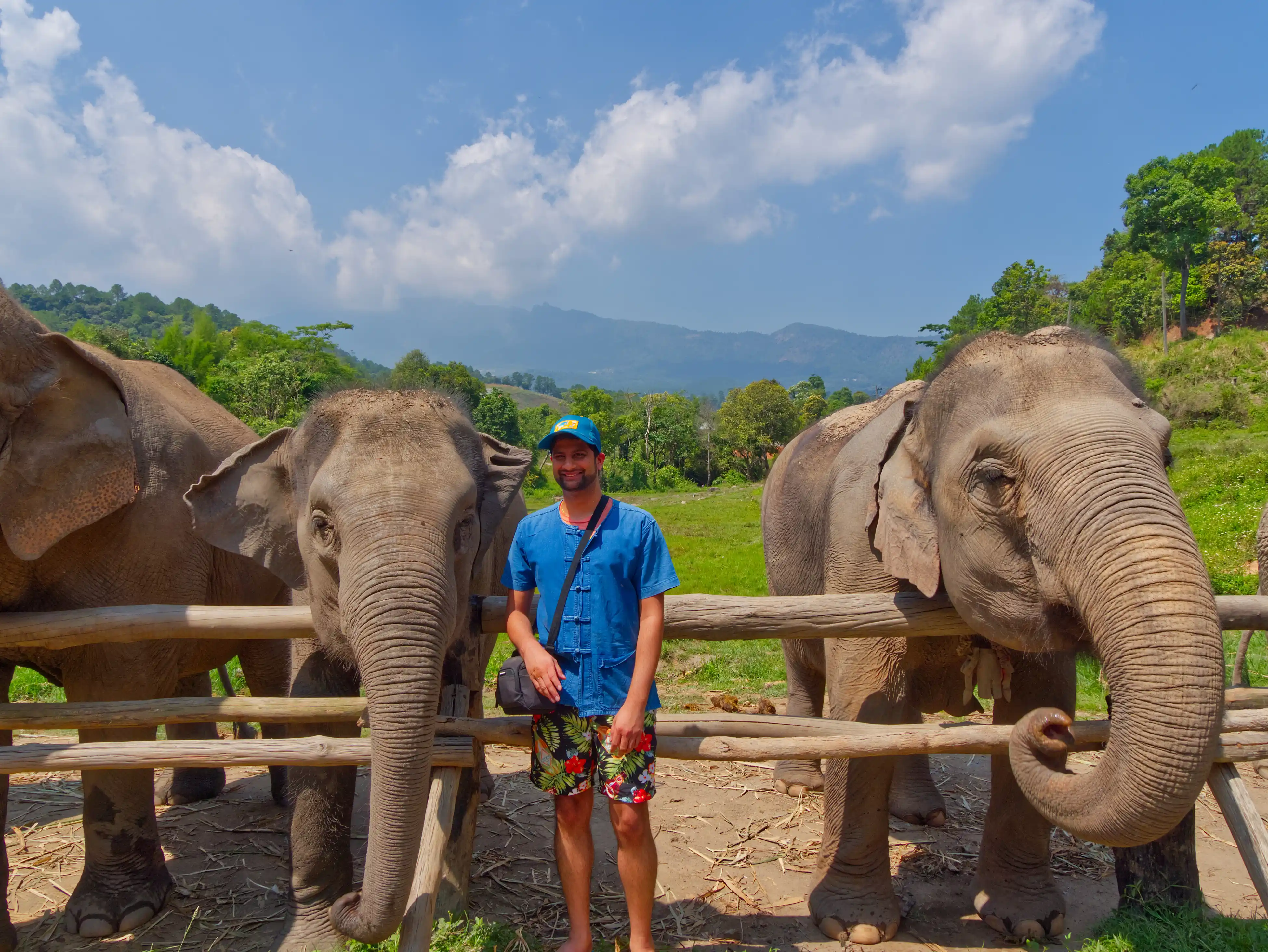
I visited the Living Green Elephant Sanctuary as part of a tour booked through the Viator app. However, after checking their website, it looks like you can book the same day trip (Elephant Sanctuary & Inthanon Hiking Program) directly with them.
Ueno Park
Maid Cafes - @Home Cafe
I'll start by saying Maid cafe's are definietly not for everyone, and honestly, they aren't that amazing with mixed personal experiences. That being said, it's one of the iconic experiences to try in Japan, especially if you consider yourself a weeb.
The first time I visited a Maid cafe was on my first trip to Japan. I visited @Home Cafe & I didn't really know what to expect. I think my first experience set a good bar for maid cafes that my 2nd experience did not live up to. The presentation and cuteness is definetly a something unique and something fun to experience for the first time. The food is definetly not what people come to maid cafes for, in my experience the food is usually subpar. I would only buy the omurice if you want a cute sauce drawing on it, because the taste itself was quite bad. On the bright side, the maids are definetly cute, dance, sing and you can even get a polaroid with them (for a price).
Unfortunately, my second visit to the Maid cafe was not as enjoyable. It could be due to the increased tourism or just a bad day, but there were numerous issues and I felt like I simply wasted time and money. Firstly, the wait times were over an hour & required saving my spot in a queue with a ticketing system. On top of the wait time, the maids did not really interact or even make sure I was doing okay. I waited a good 10-20 minutes without anyone checking with me for food and getting a polaroid picture. Which in the end made me feel rushed through and unwelcome at the cafe.
So, I've had two experiences at a Maid cafe, one good and one bad. I hope my bad experience was simply a bad day, but I think I'll stay away from Maid cafes on my next trip or try to find one with a better experience as I do enjoy the maids and getting a polaroid picture as a souvenir.
Cure Maid Cafe
While the name "Maid Cafe" may make you believe this is similar to @Home Cafe, Cure Maid Cafe is quite different and was a pleasant experience when I was able to visit. While @Home and other maid cafes feature cutsey dresses and anime personalities, Cure Maid goes a more traditional route with traditional maid outfits and a more upper class atmosphere. I was able to visit on my first Japan trip, however, as tourism has grown, it appears bookings are now required for Cure Maid cafe and I was unable to wait to get in.
I assume the cafe's principles have stayed the same and I hope they have, as it was a very nice experience that gives you a taste of the maid cafe life without the over-the-top kawaii personalities & master/maid tropes. Cure Maid provides good service and good food that other maid cafes should try to incorporate.
Tokyo Dome City
Tokyo Imperial Palace
Tokyo Sky Tree
Shinjuku Golden-Gai
Senso-Ji Shrine
Hamarikyu Gardens
DiverCity & Unicorn Gundam
Tokyo Joypolis
Tokyo Tower
Akihabara
Akihabara is THE weeb central of Japan. Maid cafes, arcades, adult shops and more, Akihabara has everything a weeb would want. Akihabara has been featured in many anime shows, video games and other media.
Harajuku - Takeshita Street - Cat Street
Burlesque Annez YAVAY
Small Worlds
Universal Studios Japan
Pokemon Centers
Kichijouji Petit Mura - Cat Cafe
Nara Park
Tsutenkaku
Cup Noodles Museum Osaka
Tennoji Zoo
Dontonbori
Fushimi Inari-taisha
The Great Budda Hall - Kyoto
Geisha Street
Nijo-Castle
Ricshaw Rides
Yamaha Store - Ginza
Osaka Castle
Bamboo Forest
TeamLabs - Planets
TeamLabs - Borderless
Nagoya City Science Museum
Hakone Shrine
Hakone Sightseeing Cruise
Hakone Ropeway
Owakudani - Black Eggs
The Hakone Open-Air Museum
Mt. Fuji
I never truly understood the hype around Mt. Fuji prior to visiting Hakone; but after being a city away from this massive natural wonder, I finally understand. It truly is a breathtaking experience. I hope one day I will be able to hike up Mt. Fuji, but even being a city away, you get a feel for the size of this mountain. It's amazing how it stands alone and towers over the landscape.
Pictures can't do it justice. I was able to go on a day tour that took me as close as Lake Kawaguchiko to get amazing views and speedboat around the lake with Mt. Fuji as the backdrop. I was lucky enough to have fairly clear skies during my stay around Mt. Fuji, it would be very disappointing if you are unlucky enough to have a cloudy day during your stay.
Todo List - Things I didn't get around to
- Yokohama
- Niigata
- Sapporo
- Sendai
- Muscle Girls bar
- Rokusan Angel
- Shibuya Sky
- Tokyo Skytree observation deck
- Pokemon Cafe